Interview: Spite House Talks Upcoming Desertion Release
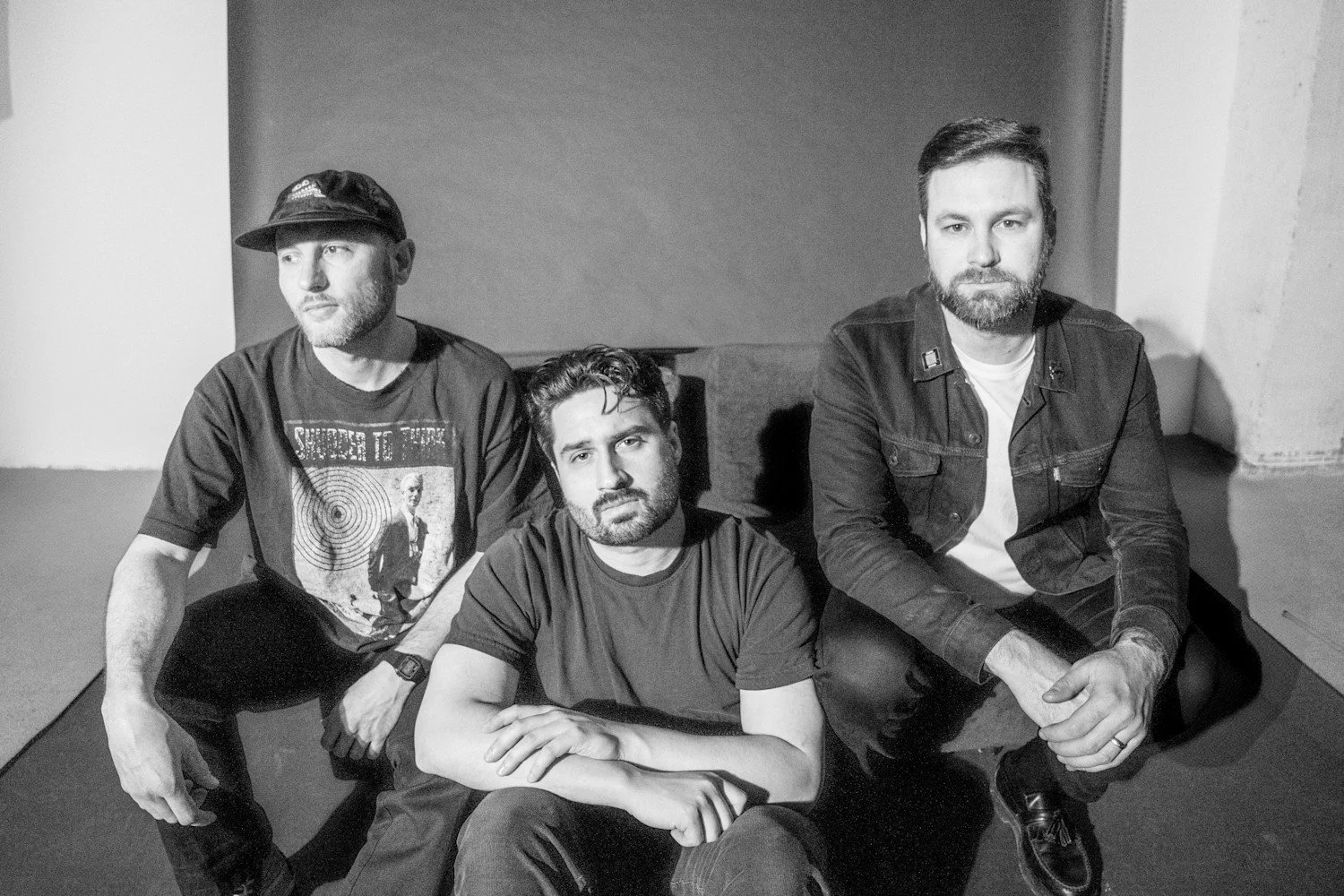
Photo courtesy of Instagram
Montreal-based band, Spite House, emerged in 2019 as the creative outlet of vocalist and guitarist Max Lajoie, who sought to channel raw emotion into music that resonates with shared experiences, shortly after losing his mother to cancer. Lajoie was joined by longtime friend Marc Tremblay and later bassist Nabil Ortega rounded out the lineup; the trio quickly found their voice—a powerful blend of vulnerability and energy in the tone of post-hardcore with nods to punk and emo flare. In 2022, Spite House released their self-titled debut album widely revered by fans, a record that captured the start of their journey and passion for authenticity and connection, which fueled them to produce their upcoming sophomore release, Desertion.
Lajoie joined New Noise over Zoom last week to touch base on the upcoming album Desertion, due out Sept. 12 via Pure Noise Records. We covered all things: Spite House evolution, motivation behind self-titled and progression to Desertion release, independent recording and production process, and upcoming Canadian tour.
For Lajoie, the start of his musical career was something he had always dreamed about pursuing, and driven out of necessity and a deeply personal turning point, his goal came into sharper focus. “I wanted to sing in a band for a while, like, for all my life, but I was kind of scared of doing it. Then my mom passed away from cancer, and it was very sudden, so when that happened, we decided (me and Mark, the drummer) to start a band.”
“We did the first LP that was kind of about just like realizing that life's too short to live in fear, and then the reception was good on the record and I just thought [that] I lived a lot of difficult things when I was a teenager and becoming an adult, and [the goal] of desertion was to revisit that with an adult perspective.” Lajoie said, “I wanted to kind of re-appropriate that story and relive it and get the lessons that I could get out of it, by making something creative.”
Spite House listens as a wake up call. Get up, live, and savor the short time we have because you aren’t promised tomorrow. Desertion as the sequel, unfolds like a poetic catharsis as each track takes listeners through the story of Lajoie’s process of coping, and entering adulthood while encountering unimaginable growing pains.
Their first LP spares nothing in exploring affliction and loss, setting the stage for an even more unflinching approach on its follow-up: “With desertion [we wanted] to be very straightforward with what the album is about, lyrically, but also sonically. So I went back and listened to the first LP, and there's some undertones of [hopefulness],” Lajoie reflects. “The second record I really wanted to be like, okay, so now that I'm awake, [...] what do I want to say? What do I want to revisit? Those were the things that I wanted to touch on, and they're much darker.”
At its core, Desertion centers on leaving home bounded by grief, and navigating the transition into adulthood carrying the weight of those experiences. “Ashen Gray,” opens the record as Lajoie grapples with guilt face-to-face, confronting the paralyzing feeling of staying stationary while life around you moves forward. The song paints a narrative around the tension of growing up without truly growing, propelled by serrated, adrenaline-laced guitar riffs and implacable drum beats into a distortion‑saturated track.
The preceding tracks inevitably take on a similar form to shape the powerful storyline that Lajoie describes as a journey of processing consuming distress in a productive way: “This whole album is [...] about leaving your home in grief, but also becoming an adult through [those experiences]. The sonics of it is more [a] reflection of that, so it's way more aggressive. We kind of lost that little bit of pop punk that was in the first LP,” Lajoie says. “We didn't think it was necessary to have on the second one, and I wanted to explore more of the aggressive side of it, while still keeping the same influences in the realm of 90s post-hardcore like Jawbreaker or Seaweed.”
With a strong vision and narrative guiding the album, the band went into recording with content ideas but unrestricted creative control, as Lajoie also individually recorded and produced the release via his recording and prod space. That freedom, while empowering, also proved exhausting–every decision rested on them, leading to a meticulous process of developing ideas, recording and mixing everything in-house, fine-tuning multiple vocal takes, and even pre-production mastering before sitting with songs for months to revisit and completely rework them until they felt right, a level of control Lajoie embraced to ensure the final result matched the band’s vision.
“But also it’s like, I wouldn’t trust anyone else with the project, at this point at least. It’s so important to me that I want to have like, the control, even if that means that I’ll spend months and months on it. Nobody’s going to care as much as I do about the final result, so that’s how I justify it,” Lajoie says.
That same sense of personal ownership and vulnerability threads through the album’s closing track, “Coma Dream,” which ends the record on a reflective and intentionally unresolved note following the revelation of gutwrenching clarity: “‘Coma Dream’ is a song about a recurring dream I’ve had many times, where my dad is going to die, and I try to save him but I can’t. Waking up from those dreams is a constant reminder that the loss of my dad and the way I built my identity around that trauma and tragedy are part of who I am,” Lajoie recalls.
“So the song ends with a question: Will I ever fully heal? But it’s more about what healing really means. Is it about dealing with the pain? Is there even an end to it? Or is it just learning to live with it, adapting to carry it for the rest of your life? It’s this whole realization that even after observing these events, writing songs about them, and facing those problems head-on, the question still remains.”
In its entirety, Lajoie’s immovable transparency drives the heart of this record to invoke significance both in its message and soundscape, exciting fans to hear it as a whole and anticipate what’s next for Spite House.
With standalones already available for streaming and the release underway, the band is gearing up for a tour in September, heading to parts of Ontario they haven’t played before with The Dirty Nil and Heart Attack Man. Lajoie says, “We’re playing so many [new cities for us] in Ontario, which is awesome and is going to be a lot of fun. And The Dirty Nil is such a big band in Canada, so I think those shows are going to be pretty cool. It’s definitely going to be fun.”
Fans can look forward to additional tour dates coming this fall in October and November, and keep their eyes on what’s ahead for 2026. Stream Desertion out Sept. 12 via Pure Noise Records.